Book a Consultation
Timber roof trusses on a new home under construction

The approval you have may not cover the build you want.

People usually come to a construction loan having already been told what they can borrow. That figure was worked out against a finished property, and a build is not a finished property.

The lender is now also assessing a fixed price contract, a builder, a set of plans and a schedule of progress payments. Any one of those can change the answer, and it is not unusual for a lender that was comfortable with the borrower to be uncomfortable with the build.

Knowing that before a contract is signed is worth a great deal more than finding out after.
Talk through the build

Three things that move
a construction approval

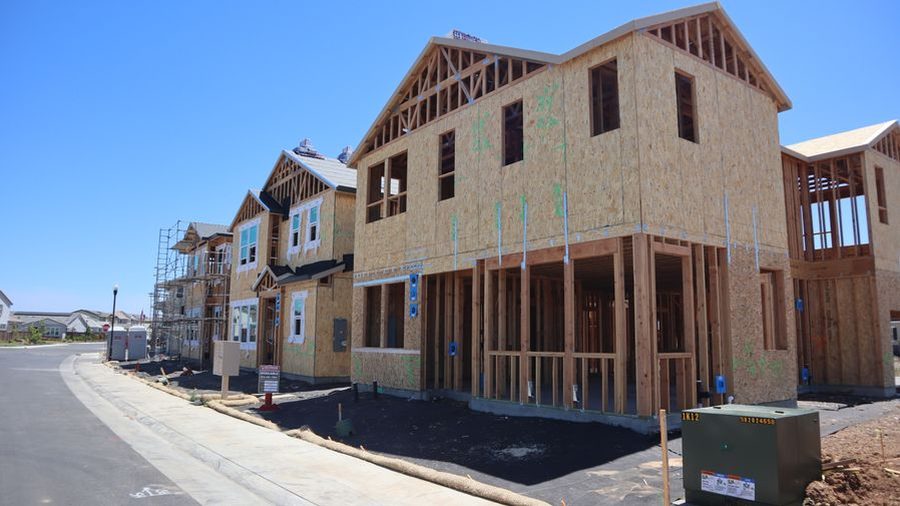
Timber-framed houses under construction on a new residential street

Progress payments, not a lump sum

The loan draws down in stages as the build hits each milestone, and you pay interest only on what has been drawn. Managing those draws so the builder is paid on time is a real part of the job.

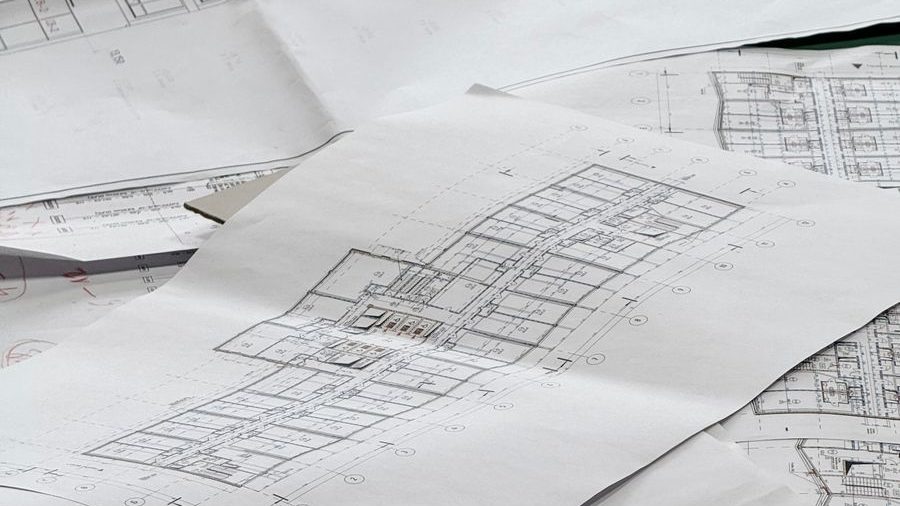
Architectural plans for a new house laid out on a table

The contract type matters

Fixed price and cost plus are treated very differently. So are owner-builder arrangements, which a large part of the market will not touch at all. The contract shapes which lenders are available to you.

Reviewing a building design and plans together at a desk

The builder is assessed too

Registration, insurance and the contract itself all get looked at. A builder that one lender is comfortable with can be declined elsewhere, which is a problem best discovered before deposits are paid.

The two points where
builds come unstuck

Construction lending is not harder than ordinary lending. It just has more places to trip, and most of them are at the start.

Signing the contract first

It is very common to sign with a builder and then arrange finance, because that is the order the builder would prefer. It removes your ability to choose a lender whose construction policy fits what you have signed.

Getting the finance conversation in before the contract is signed costs nothing and keeps the whole panel available.

Budgeting only for the build

The contract price is rarely the total cost. Site costs, variations during the build, council requirements, landscaping and the interest you pay during construction all sit outside it.

Lenders expect a buffer for exactly this reason. Building the buffer into the plan at the start is much easier than finding it at the frame stage.

If you are talking to builders, that is the right time to talk to us as well, not once the contract is in front of you. Policy varies widely here and the differences are easiest to use while nothing is committed.

Construction lending questions

The ones that come up most often when a build is being planned.

Generally you pay interest only on the amount drawn down so far, which means repayments start small and step up as the build progresses.

If you are also paying rent during the build, that overlap is the part worth planning for, and lenders will take it into account when assessing you.

Construction loans run to a defined period, and extensions are possible but not automatic. Delays are common enough that it is worth knowing your lender's position before you need it.

Keeping the lender informed early is almost always better than letting a deadline arrive.

Yes, and it is a common path for people who like where they live but have outgrown the house. The existing equity in the land usually does a lot of the work.

The assessment looks at the land value and the completed build together, so the numbers often work better than people expect.

Yes, subject to the same variation between lenders as any other application. Shift penalties, overtime and allowances are assessed differently everywhere.

On a construction application that matters more than usual, because the pool of lenders comfortable with your contract may already be smaller.

Talk it through before you sign

If you are getting quotes or talking to builders, now is the useful moment. No obligation, and no pressure either way.

Early, late or around your roster. See everything else we help with, or read how the process works.